
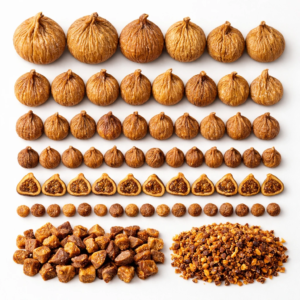
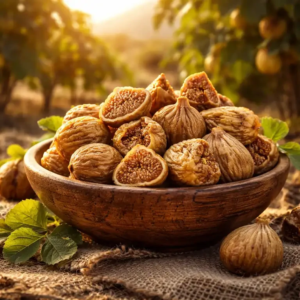

Dried figs are one of the most valuable dried fruits in the global market. However, not all dried figs are the same. To ensure consistent quality and meet the requirements of international buyers, dried figs are carefully sorted into different grades based on their size, appearance, and structure. Understanding these grades is essential for importers, wholesalers, and food manufacturers.
One of the most important grading factors is the size of the fig. Larger figs are generally considered more valuable because they have a better visual appearance and are more attractive to consumers. Premium grades such as 3A+ and 2A+ are typically used for high‑end retail markets and gourmet food brands.
Another important factor is whether the fig is open mouth or closed mouth. Naturally opened figs are often called smiling figs or Parak figs. These figs have a natural crack that reveals the golden interior of the fruit. Because of their unique appearance, open‑mouth figs are highly popular in premium snack markets.
The 3AS+ and 2AS+ grades refer to open‑mouth figs that are also large in size. These figs are considered among the most attractive types of dried figs and are frequently used in luxury packaging or gift boxes.
Closed‑mouth figs, on the other hand, are more compact and are widely used in general retail packaging. Grades such as A+, A, and 2A are common in international markets because they provide a good balance between quality and price.
Lower grades of dried figs are still very valuable in the food industry. Cut figs and fig pieces are widely used in industrial food production. These products are commonly used in bakeries, confectionery, snack bars, cereals, and other processed foods.
Moisture content is another key factor in dried fig grading. Proper moisture control ensures that figs remain soft while also preventing spoilage during transportation. Export‑quality dried figs usually have carefully controlled moisture levels to ensure a longer shelf life.
Color and cleanliness also affect the grading process. High‑quality dried figs usually have a light golden or beige color. Dark or damaged figs may be sorted into lower grades or used for industrial purposes.
Export companies must follow strict sorting procedures to maintain consistent quality. Modern processing facilities often use a combination of manual inspection and mechanical sorting systems to separate figs by size and appearance.
Packaging also varies depending on the grade of figs. Premium grades are often packed in smaller, visually appealing packages for retail markets. Bulk grades may be packed in larger cartons for wholesale distribution.
Understanding these grading systems helps buyers select the right type of fig for their market needs. Premium retail markets often demand large, visually appealing figs, while food manufacturers may prioritize consistency and price.
By offering a wide range of fig grades, exporters can serve multiple industries and meet the diverse needs of international customers.